
The 2026 edition of LUXE PACK Monaco marks the beginning of a new chapter. From 2027, the event will be renamed LUXE PACK WORLD, a new identity that reinforces its international reach and reflects the evolution of the industry.
Once again, the event has positioned Monaco as a key meeting point for brands, manufacturers and professionals in the premium packaging sector. Beyond the latest innovations, this edition invites us to reflect on a central idea: excellence is not about adding more, but about making better choices.
Material reduction, circularity, efficiency and evolving market expectations are driving a reassessment of packaging solutions. The challenge is to move forward without compromising the elements that define a premium experience: identity, texture, precision, functionality and attention to detail.
Here are four key insights to understanding this shift.
1. Less material doesn’t have to mean less excellence
One of the key themes of this year’s edition has been the search for solutions that optimize resources without compromising the overall experience.
Lighter packaging, refillable systems, mono-material designs and structures with fewer components reflect a shift in the way packaging is developed.
The goal goes beyond replacing one material with another. It is about rethinking the entire packaging solution so that every element serves a purpose and adds value.
For premium brands, simplification requires particular attention to execution. Design, colour, texture and finishes become even more important when the number of components is reduced.
Excellence lies in maintaining quality and brand identity while making more efficient use of resources.

Want to learn more about LUXE PACK Monaco 2026?
Discover the highlights of this year’s edition
2. Materials are part of brand identity
Materials have also taken centre stage in Monaco. Cellulose, plant-based fibres, wood, bio-based materials and by-products from other industries are opening up new possibilities for design.
Among the materials featured in the programme are those made from coffee grounds, fruit peels, grape pomace and nutshells. Their visual and tactile properties offer new ways to express a product’s identity.
The appeal goes beyond their origin. The colours, textures and natural variations of each material can be integrated into the design and become distinctive features.
For brands striving for excellence, this presents an opportunity: to make materials an integral part of the product’s story and the consumer experience.
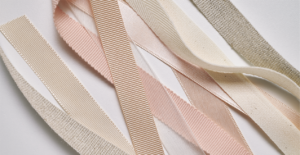
This also applies to textile details. The fibre, weave and finish of a ribbon influence what it communicates and how the overall packaging is perceived.
Choosing the right material means considering its aesthetics, performance, origin and suitability for each project.
3. Sustainability needs evidence
The discussion around sustainability increasingly demands verifiable information.
Brands need to know where a material comes from, how it is manufactured and the journey it takes before reaching the consumer. They also need to understand what data supports the environmental claims of a packaging solution.
Tools such as QR codes can make this information more accessible. Their usefulness depends on the data they provide: traceability is built by documenting materials, suppliers and processes.
Sustainability also requires looking beyond raw materials. Energy and water consumption, waste management, transportation and manufacturing efficiency are all part of the assessment.
For premium brands, having reliable information enables more informed decisions and helps them better communicate the origin, manufacturing process and value of their products.
Trust is built when commitments can be backed by evidence.
4. When there are fewer elements, every detail matters more
As packaging evolves towards more efficient structures, each component takes on greater importance.
Colour must reflect the brand’s identity. Texture must convey a specific sensory experience. The finish must be consistent with the product’s positioning. And the act of opening the packaging must be part of the overall experience design.
In this context, a textile detail can play a significant role.
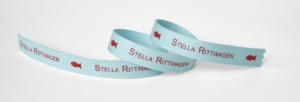
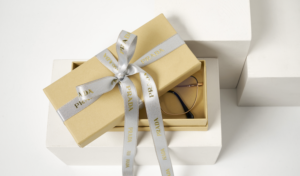
A personalized ribbon can incorporate brand identity through its material, weave, colour, texture, printing or finish. Its integration should serve a specific purpose within the overall packaging design.
It can identify a limited edition, introduce contrast, reinforce a campaign or make the unboxing experience more memorable.
Its value depends on the precision with which it is designed, manufactured and used.
A new balance for premium packaging
The trends emerging from LUXE PACK Monaco 2026 point to an industry seeking to combine visual appeal, efficiency, innovation and brand identity.
Achieving this balance requires making decisions from the earliest stages of a project: defining which components are necessary, how they work together and what each one contributes to the final experience.
Excellence is built on the right materials, controlled processes and meaningful details.
Manubens: developing the right detail for every project
At Manubens, we work with brands, agencies and packaging teams to develop custom ribbons tailored to the needs of each project.
We work together to select the right material, weave, colour, personalisation technique and finish to create a solution that aligns with the product, packaging and brand identity.
The integration of warping, weaving, dyeing, printing and finishing allows us to control the key stages of production, maintain quality and provide information to support product traceability.
Because in increasingly refined packaging, the value of a detail lies in what it contributes.
Are you working on a premium packaging project?
At Manubens, we help brands, agencies and packaging teams develop custom ribbons that add value, consistency and differentiation to the brand experience.